
Must-Have Products for Professional Sewage Pipe Replacements
Equip yourself with essential tools and materials favored by professionals for high-quality sewage pipe replacement work.
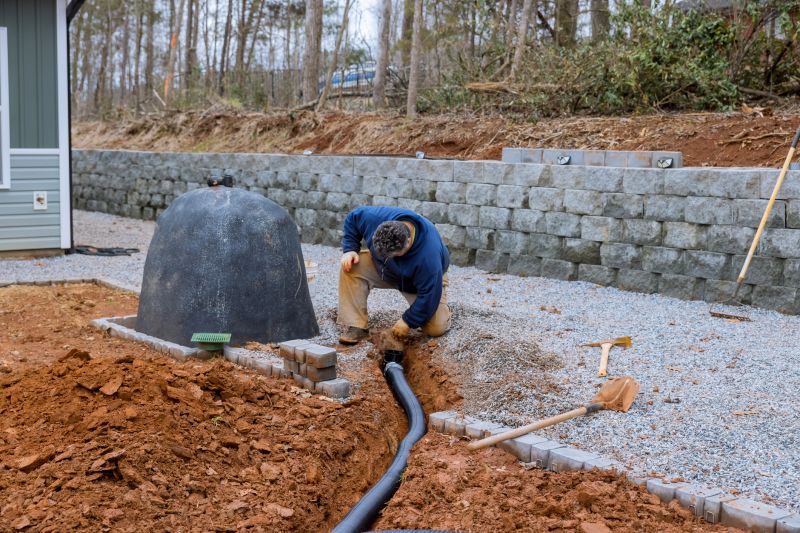 Sewage pipe replacements are essential components in maintaining the integrity and functionality of a building's plumbing system. When pipes become damaged, cracked, or corroded, they can lead to leaks, blockages, and unpleasant odors. Selecting the appropriate products for pipe replacement involves understanding various materials, fittings, and repair methods. From traditional pipe segments to flexible liners, there are numerous options designed to suit different scenarios and preferences.
Top Overall Option
Flexible Pipe Lining System
A flexible pipe lining system offers a non-invasive solution for rehabilitating existing sewage pipes. It involves inserting a resin-coated liner into the damaged pipe, which then cures to form a new, seamless pipe within the old one. This method helps to restore flow capacity while avoiding extensive excavation. Suitable for various pipe sizes and types, it is often favored for its ease of installation and minimal disruption to property. Properly applied, it can extend the lifespan of existing pipes and improve overall system integrity.
Types of Products For Sewage Pipe Replacements
PVC Pipe Segments
PVC pipe segments are widely used for their corrosion resistance and ease of installation, suitable for replacing damaged sections of sewage pipes.
ABS Pipe Sections
ABS pipes are durable and impact-resistant, making them a common choice for underground sewage pipe repairs.
Cast Iron Pipes
Cast iron pipes provide strength and longevity, often used in older plumbing systems requiring replacement.
Flexible Pipe Liners
Flexible liners are inserted into existing pipes to rehabilitate and reinforce damaged or cracked pipes without excavation.
Pipe Repair Clamps
Clamps are used to temporarily or permanently seal leaks in damaged pipes, offering quick repair solutions.
Couplings and Connectors
Various couplings and connectors facilitate the joining of pipe segments or fittings during replacement projects.
Expandable Pipe Segments
Expandable pipes can be inserted into existing pipes and expanded to fit tightly, providing a seamless repair.
PVC Pipe Fittings
Fittings such as elbows, tees, and reducers are essential for directing and connecting sewage pipes during replacements.
Cast Iron Pipe Liners
Liners designed for cast iron pipes help restore structural integrity without full pipe replacement.
Hydraulic Pipe Bursting Systems
Systems that enable pipe replacement by breaking the old pipe while pulling in a new pipe simultaneously, minimizing excavation.
Epoxy Coatings
Epoxy coatings are applied to interior pipe surfaces to seal cracks and prevent leaks, extending pipe life.
Relining Kits
Complete relining kits include everything needed to insert and cure liners within existing pipes for rehabilitation.
PVC Pipe Wraps
Wraps are used to reinforce and seal sections of damaged pipes, providing a quick repair option.
Spray-On Pipe Coatings
Spray coatings provide a protective layer inside pipes, sealing minor cracks and corrosion.
Popular Choices
Flexible liners are gaining popularity for their ability to rehabilitate pipes with minimal excavation, suitable for various pipe sizes.
PVC segments are commonly used for straightforward pipe replacement projects due to their affordability and ease of use.
Clamps are often used for quick fixes on leaks or cracks in existing pipes, offering immediate solutions.
These fittings are essential for connecting new pipe sections or fittings during replacement procedures.
Liners for cast iron pipes are popular among those maintaining traditional systems seeking internal rehabilitation.
Expandable pipes are trending due to their ability to fit tightly into existing pipes for seamless repairs.
Epoxy coatings are frequently chosen for their ability to seal minor cracks and extend pipe service life.
Complete relining kits are popular for DIY projects and professional rehabilitations alike.
Fittings such as elbows and tees are essential for customizing pipe runs during replacements.
Pipe bursting systems are increasingly used for replacing pipes with minimal surface disruption.
Spray coatings are gaining traction for their ease of application and internal sealing capabilities.
Reinforcement wraps are popular for quick sealing and minor repairs in damaged pipes.
Repair kits designed for cast iron pipes are in demand for restoring older plumbing systems.
Flexible couplings are useful for connecting pipes of different sizes or materials during replacements.
Modern pipe repair solutions often include options that minimize invasive work, such as pipe lining or slip lining systems, which can extend the lifespan of existing pipes without complete excavation. For more extensive repairs, durable pipe segments made from PVC, ABS, or cast iron may be necessary. Proper selection ensures compatibility with existing plumbing, ease of installation, and long-term durability. It is also important to consider the size and diameter of the existing pipes to ensure a proper fit.
Routine maintenance and timely replacement can prevent costly damages and improve the efficiency of the sewage system. When choosing replacement products, it is advisable to consider the specific needs of the property, the type of pipes currently installed, and the potential for future access or repairs. Consulting with plumbing professionals can help identify the most suitable products and installation methods, ensuring a reliable and safe sewage system.
Overall, investing in quality replacement products and understanding the range of available options can facilitate effective repairs and long-term system performance. Whether undertaking a small repair or a major overhaul, selecting the right components is crucial to achieving a functional and durable sewage infrastructure.
Key Buying Considerations
- Compatibility with existing pipe materials and sizes to ensure proper fit and function.
- The extent of damage or deterioration to determine whether a repair or full replacement is necessary.
- Ease of installation, especially if considering DIY versus professional services.
- Material durability and resistance to corrosion, cracking, or chemical exposure.
- The length and diameter of the pipe segments needed for the project.
- Type of repair method suitable for the specific damage, such as lining or segment replacement.
- Availability of fittings and accessories required for proper installation.
- Project budget and cost-effectiveness of different product options.
- Local building codes and regulations that may influence product selection and installation methods.
- Long-term maintenance requirements and potential future access for repairs.
- Surface conditions and accessibility of the pipe segments to determine suitable repair techniques.
- Environmental conditions that may affect material performance over time.
- Reputation and reviews of product manufacturers or suppliers.
- Warranty or guarantee options for the replacement products.