Optimal Timing for Sewage Pipe Replacement
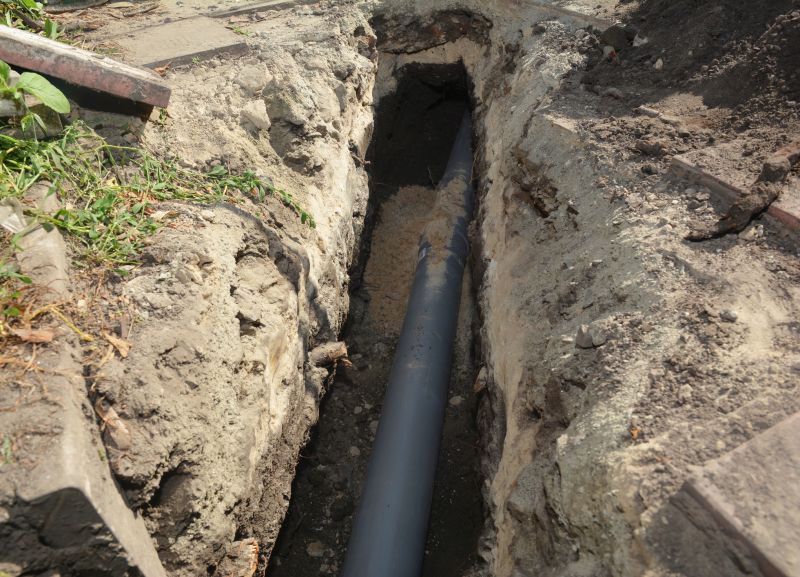
Ways to make Sewage Pipe Replacements work in tight or awkward layouts.
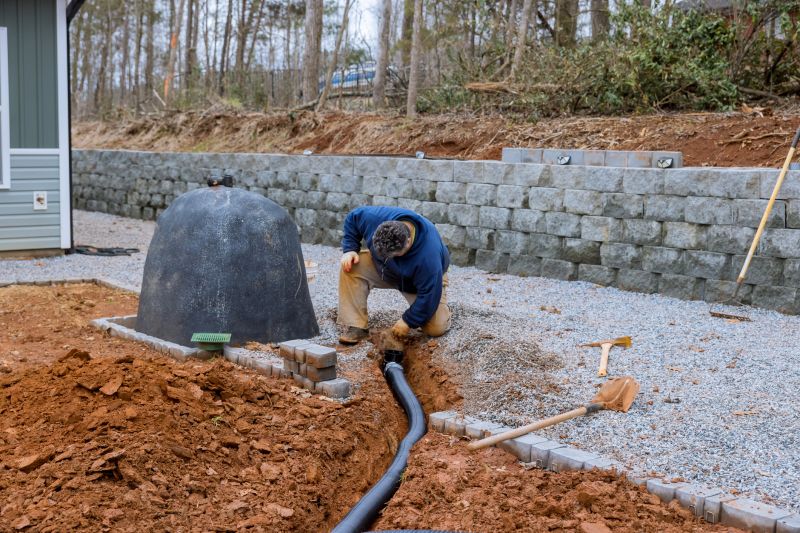
Popular materials for Sewage Pipe Replacements and why they hold up over time.
Simple add-ons that improve Sewage Pipe Replacements without blowing the budget.
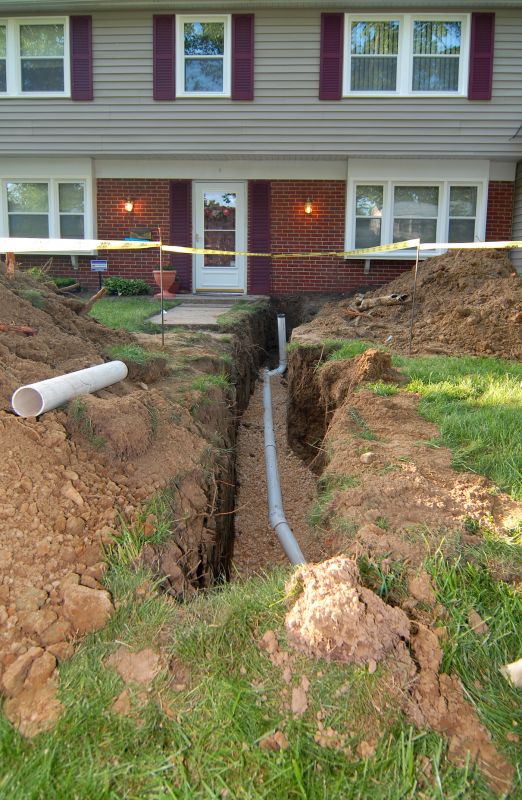
High-end options that actually feel worth it for Sewage Pipe Replacements.
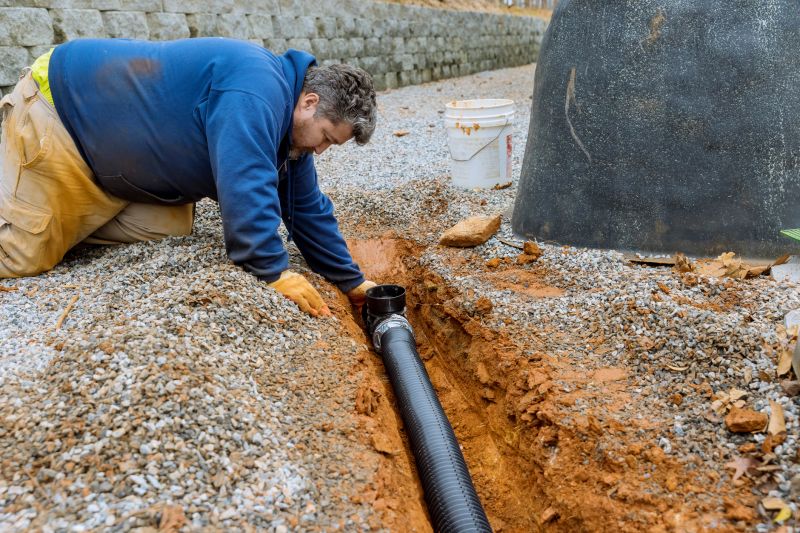
Finishes and colors that play nicely with Sewage Pipe Replacements.
Little measurements that prevent headaches on Sewage Pipe Replacements day.
Sewage pipe replacements are essential maintenance activities that ensure the proper functioning of a property's plumbing system. Timing these replacements correctly can prevent costly repairs and minimize disruption. Generally, the optimal time for sewage pipe replacement depends on factors such as weather conditions, pipe material, and the severity of existing issues.
Spring and early fall are preferred for pipe replacements due to moderate weather, reducing the risk of delays caused by extreme cold or heat.
Cold weather can cause pipes to become brittle, increasing the risk of damage during replacement. Warm, dry conditions facilitate easier excavation and installation.
PVC pipes are more tolerant of temperature fluctuations, making replacement feasible in a wider range of seasons compared to cast iron pipes.
Timing replacements during periods of lower property usage can reduce inconvenience and allow for thorough inspections.
Choosing the right time for sewage pipe replacement can extend the lifespan of the plumbing system and reduce operational disruptions. Proper planning considers seasonal weather patterns, pipe material properties, and the property's usage schedule.